
Dr. Samuel Rodmyre, DO
About Dr. Samuel Rodmyre, DO
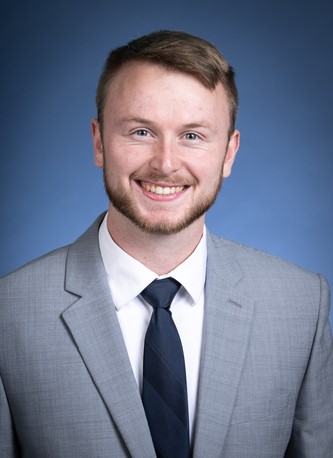
About Samuel Rodmyre, DO
Dr. Samuel Rodmyre is a Clinical Instructor at the Lake Erie College of Osteopathic Medicine (LECOM) Bradenton campus, where he contributes to problem-based learning, clinical skills education, osteopathic principles and practice, student mentorship, and medical student research. He earned his Doctor of Osteopathic Medicine degree from LECOM.
His academic interests lie at the intersection of medical education, psychology, and osteopathic whole-person care, with particular emphasis on identity, emotional awareness, and their influence on learning, behavior, and health. He is especially interested in involving medical students in research that connects educational theory with practical questions encountered throughout medical training.
Research Interests
Dr. Rodmyre’s research interests center on medical education, psychology, identity, and whole-person approaches to health and learning. His work explores how emotional awareness, language, self-concept, and educational experiences may influence medical students and patients.
Areas of interest include emotional intelligence and emotional awareness in medical education; diagnostic labeling, person-centered language, and illness identity; test anxiety and emotional responses to academic performance; whole-person models incorporating biological, psychological, emotional, social, and spiritual dimensions of health; osteopathic medical education; and the development of practical educational interventions for medical students.
On-going Research Projects:
- Emotional Awareness and Medical Education — Investigating emotional awareness, emotional intelligence, and emotional responses surrounding medical-student learning and clinical encounters.
- Emotional Intelligence and Test Anxiety — Exploring relationships among emotional awareness, emotional intelligence, test anxiety, and medical-student performance and well-being.
- Diagnostic Language, Labeling, and Identity — Examining how diagnostic terminology and clinician communication may influence illness identity, agency, hope, treatment expectations, and engagement with care.
- Emotional Granularity in Medical Education — Exploring whether greater differentiation and identification of emotional experiences can contribute to empathy, perspective-taking, self-awareness, and medical-student development.
- Additional Scholarly Interests – Dr. Rodmyre is also interested in research involving identity formation, thought suppression, emotional ownership, and the translation of psychological and behavioral-science concepts into frameworks that can be implemented into medical education.